The Antique Boat Museum is proud to present the Homer L. Dodge Lecture Series, made possible through the generous support of the Homer L. Dodge Endowment. This endowment sustains programming that celebrates, explores, and shares the rich history and ecology of the St. Lawrence River.
Spanning all four seasons and covering a wide range of fascinating topics, the series brings the stories of local history, boating heritage, and river life to audiences near and far—whether you’re here in the 1000 Islands or joining us from afar and dreaming of the River.
📍 Location: Lectures take place in the Robert Osborne Cox Theatre at the Museum unless otherwise specified.
💻 Hybrid Format: All lectures are offered both in person and via YouTube live stream. You’ll find the live stream link for each lecture below.
Caring for a River (and Its Watershed)
📅 Friday, October 9
🕠 5:30–6:30 pm
📍 Robert O. Cox Theatre at ABM
🎥 Streamed live: YouTube
🎤 Speaker: Lee Willbanks, Co-Founder and President of Talking Rivers
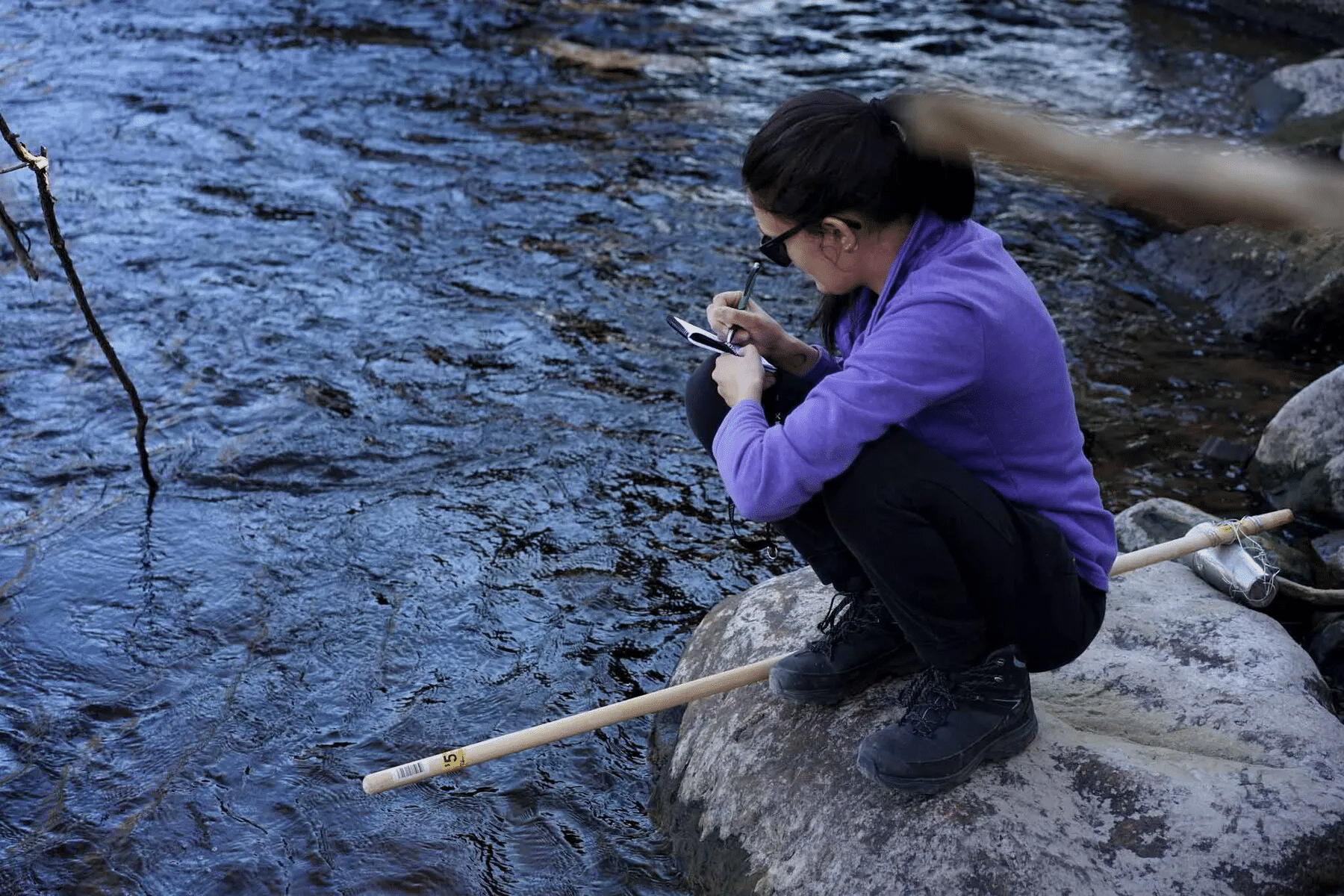
How can we become better stewards of the rivers and watersheds we call home? Lee Willbanks, Co-Founder and President of Talking Rivers, will explore how community science, storytelling, art, and collective action can help us better understand the health of rivers and the ecosystems they support.
Through Talking Rivers’ Through the Eyes of Rivers project, communities are encouraged to observe, listen to, and learn from their local waterways while taking meaningful steps to protect them. Willbanks will share ways individuals and communities can help document the health of rivers, recognize the needs of the species that depend on them, and strengthen their connection to the watersheds around them.
The presentation will highlight the role each of us can play as both an observer and advocate for healthy waterways, offering a thoughtful look at our responsibilities to the rivers and ecosystems we share.ience happening right in our own backyard and the remarkable work helping us better understand the St. Lawrence River.
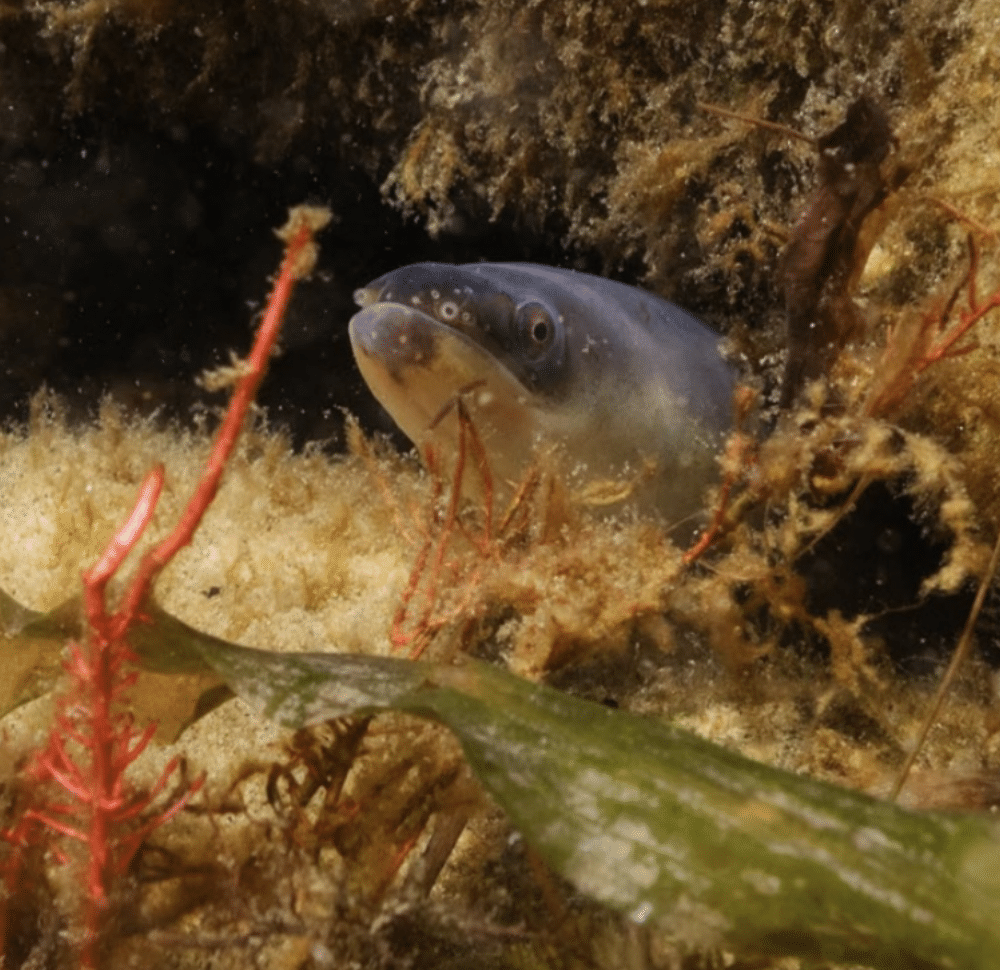
– American Eel, Anguilla rostrata, an indicator species for the health of north country rivers, photo by Stephany Hildebrand