The Elizabeth and Bolling Haxall Building serves as the Museum’s main building housing exhibit space, the Museum Store, Admissions, Robert O. Cox Theatre, Homer Dodge Education Center, Lou Smith Library and Marion Clayton Link Archives, Tony & Jim Lewis Boardroom, and the administrative offices.
The Haxall Building features four exhibits: The Lure of the Thousand Islands in the David L. Coffin Jr. Gallery, Chrysler Marine Concept Artwork of Bob Adair in the concourse gallery, Racing the Wind in the Homer L. Dodge Gallery, and our lobby boat(s) and introductory exhibit to the Museum and the 1000 Islands in the Virginia & Fred Gordon Gallery. The lobby boat(s) changes every season.
The Lure of the Thousand Islands
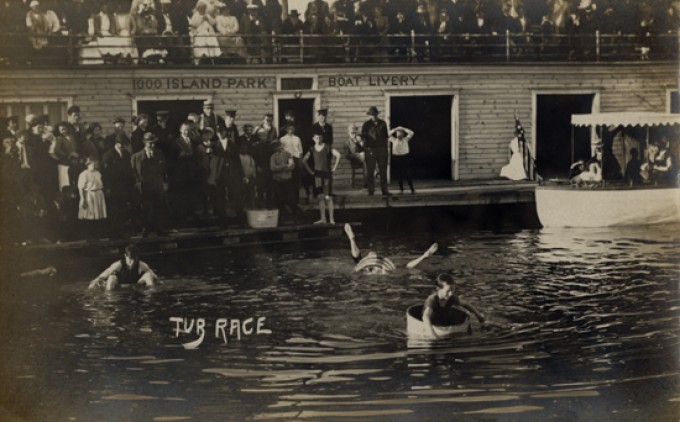
What do you think of when you hear the word recreation? Maybe some sort of outdoor activity or sport? The origins of the word show that it also once meant to recover from illness, through rest, activity, or even by eating. It was for these reasons people, beginning in the late 1800s boarded trains in polluted, overcrowded, and dirty cities of the North Eastern United States to awake the next morning to the fresh crisp air, blue skies, and cool clean waters of the St. Lawrence River and the famed Thousand Islands.
Beginning in early May the grand hotels and cottages of the Thousand Islands and River towns began to fill with summer residents and vacationers. But people did not come to just relax idle, they came to get out on the water in boats to fish, race, swim, and socialize with others. The Lure of the Thousand Islands offers visitors a glimpse into what summer social life was like on the St. Lawrence River by exploring various recreational activities. These range from well-known pastimes such as guide fishing- to the unexpected, such as the wash tub races at Thousand Islands Park, shown above.
Keep the Fleet in Fighting Trim: Recreational Boats and the War Effort
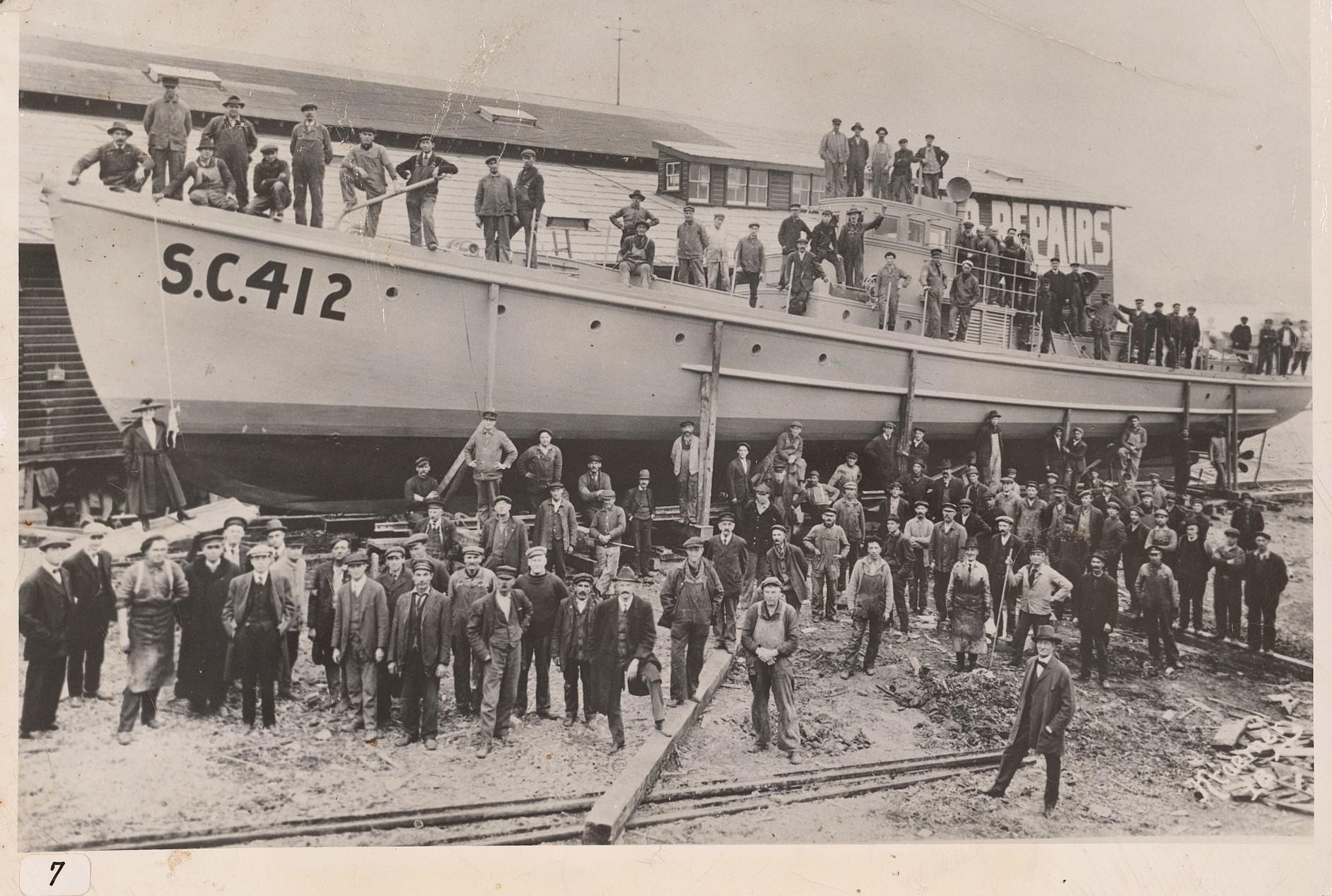
As part of the industrial home front war efforts, recreational boatbuilders, large and small, ceased building pleasure craft and turned their attention to producing vessels and engines that aided the military. For many builders and engine shops, this required a complete transformation of their factories, shifting from crafting sleek mahogany boats for the public to constructing rugged, fully armed military vessels built to strict government specifications.
At the same time that new military craft were being produced, existing pleasure boats were also pressed into service, repurposed for patrol, transport, and training. Engine manufacturers likewise contributed by supplying existing models or modifying them to better meet the demands of wartime use.
Keep the Fleet in Fighting Trim tells the story of the boats, engines, and builders that supported the military on the home front and showcases how innovation and craftsmanship worked together to sustain the fleet in service of the nation. ABM is proud to have this exhibition on display for the US Navy’s 250th anniversary in 2026 and be able to honor all service members active, retired, and reserves for the US Navy, Army, Coast Guard, Air Force, and Marine Corps. Thank you for your service to this country.
Racing the Wind
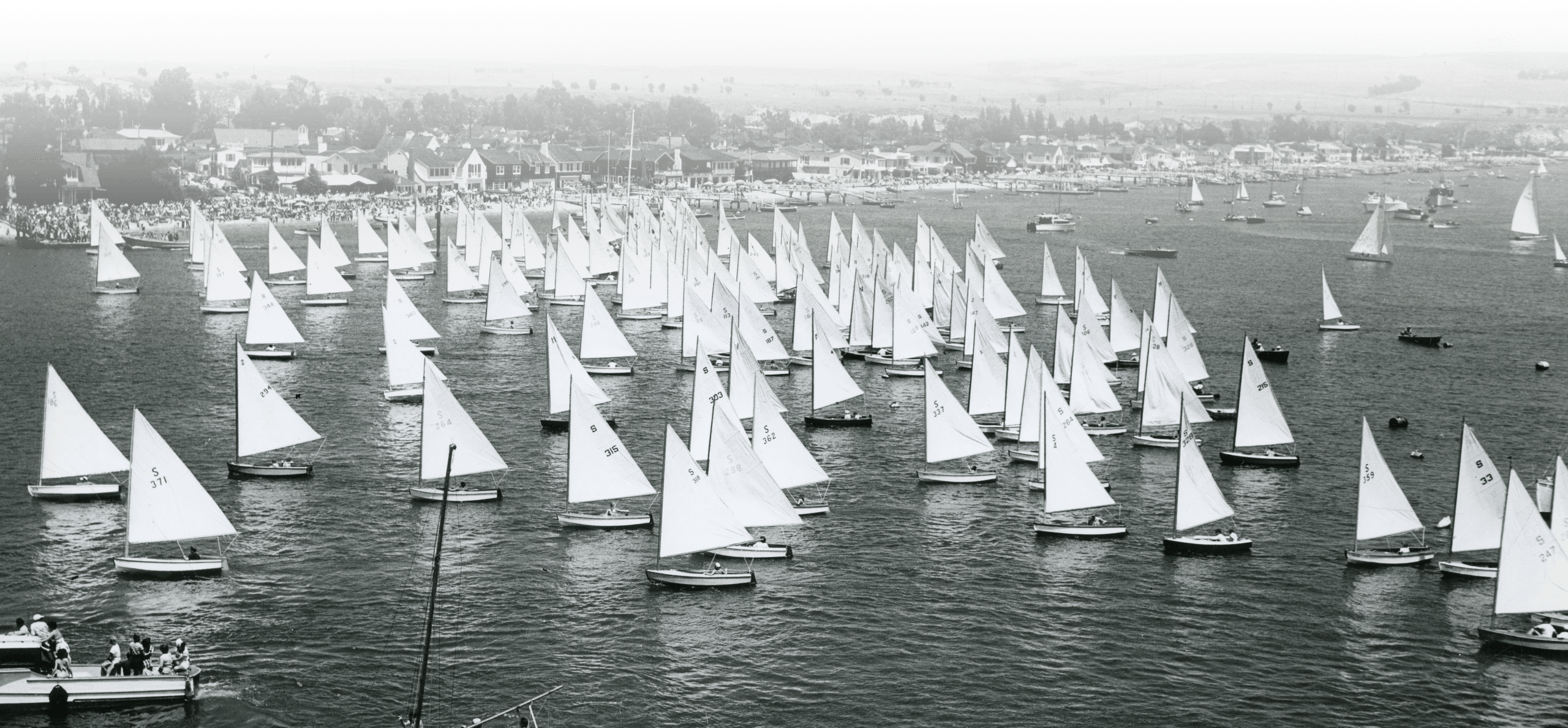
For millennia, people have sailed the Earth’s waters, relying on wind-powered vessels for exploration, trade, and transportation. As steam and motorized ships emerged in the nineteenth century, sailing gradually shifted from a necessity to a pastime. The wealthy elite of Europe and North America began racing large yachts for sport, forming exclusive clubs that set the foundation for competitive sailing. By the early twentieth century, advances in boatbuilding and materials made sailing more accessible, and the rise of small-boat sailing in the 1920s brought the sport within reach of the middle class. This newfound accessibility fueled the demand for affordable, versatile sailboats, paving the way for both organized racing and casual community regattas.
This exhibition explores the two sides of the coin: “fleet” and “community” racing. In fleet racing, all boats are built to the same specifications, ensuring that victory is determined by skill rather than differences in equipment. Popular modern one-design classes sailed at ABM include the C420, Sunfish, and Optimist. The origins of these boats can be seen in the International 14 and Snipe classes, among others in this exhibition. In contrast, community regattas are exciting and diverse spectacles, where everything from vintage wooden sailboats to modern high-performance cruisers can share the starting line. The Penn Yan sailing tender, Dyer Dink and other sailboats seen here would be seen in such events alongside each other.
A Student Point of View: Artwork of the 1000 Islands from the TICSD Community Connections Program
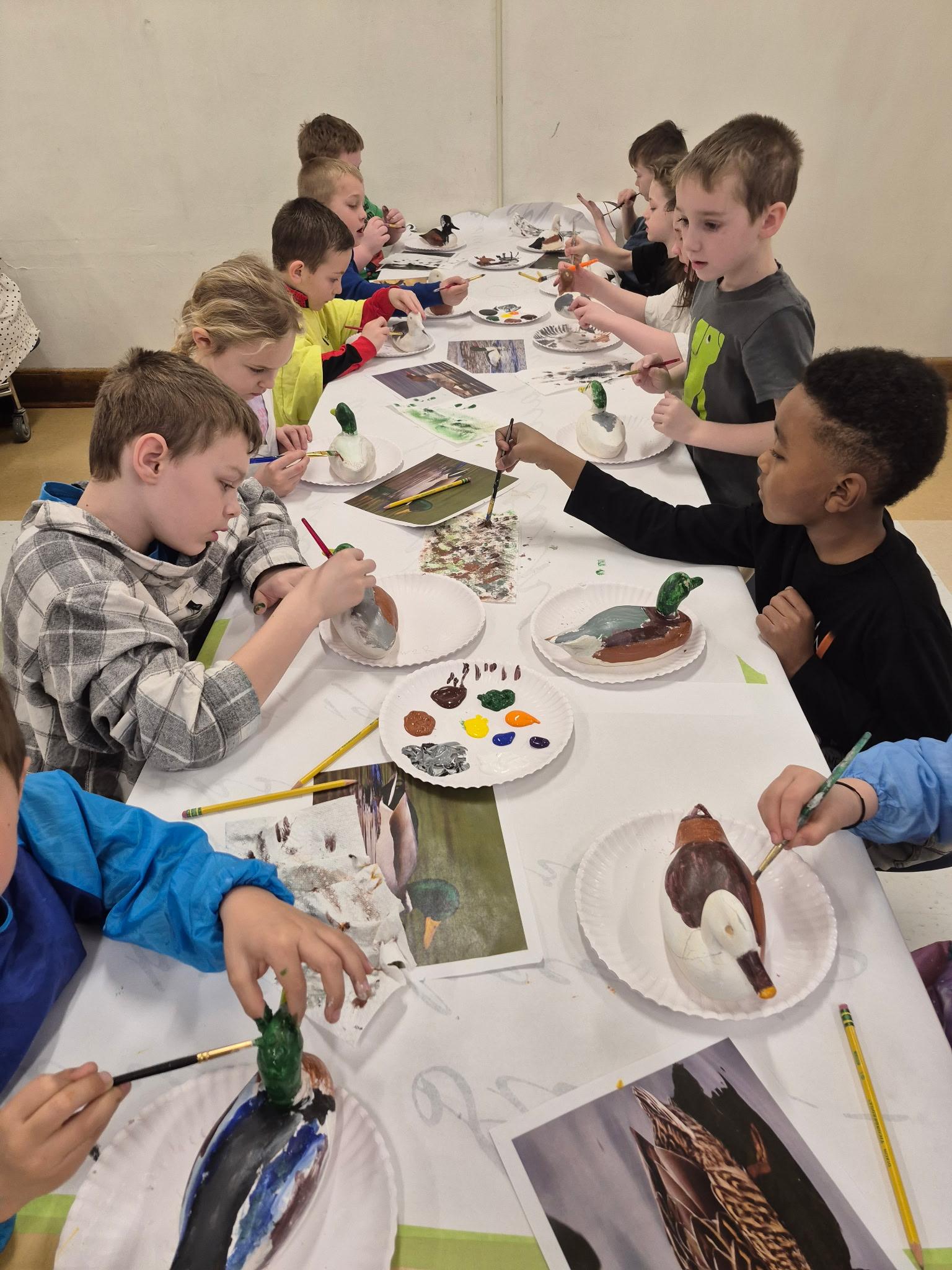
The overall goal of the Community Connections program is to provide place-based hands-on educational opportunities for the students in Thousand Island Central School District. As the title of the program suggests another major component of Community Connections is to use the projects as a way to connect students with subject matter experts from a number of local organizations, museums, and universities. Students enjoy grade-specific projects that relate directly to the history and ecology of the St. Lawrence River. See the culminative projects of the 2026 Community Connections program in our exhibitions across campus.